WELLNESS EDIT | No. 34 |

Getting healthier can feel overwhelming with diets, biohacking, GLP-1s, supplements, trackers, meal plans and endless advice telling us what we should be doing. Does it really need to be this complicated? In most cases, no. Tiny changes can still become the pieces that shape a much bigger picture.
We have a tendency to make change complicated before we have even started. A new diet can quickly bring pressure with it: what to buy, what it will cost, what to cook, which recipes to follow and whether any of it actually fits into everyday life. Sometimes that level of change is necessary. Other times, slow and steady really does win the race. A simple workout, a few simple changes to what you eat, or adding something your diet is missing can be enough to build a good foundation for change.
We can spend weeks contemplating a change that we could already have started making. Perhaps it is not always the change itself that feels difficult, but everything we have decided needs to come with it.
The Bigger Picture
When we decide to improve our health, it is easy to focus on the finished version of what that change is supposed to look like: the better diet, the stronger body, the healthier routine, the person we imagine becoming.
But the bigger picture does not have to appear all at once.
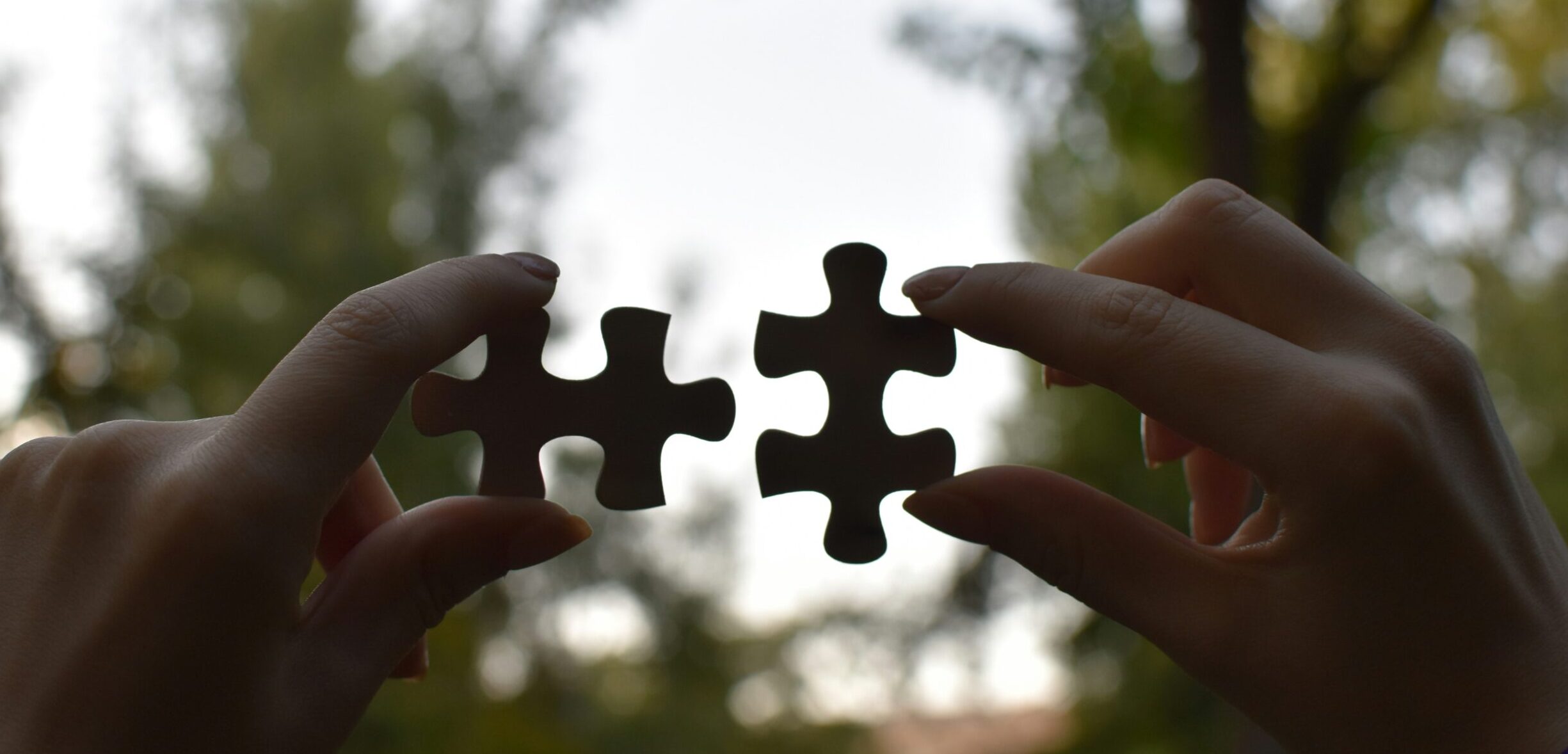
Think of a jigsaw puzzle. Most of us have spent time searching for the right pieces, getting frustrated when one will not fit, and then feeling strangely delighted as the picture finally begins to come together. One piece can seem almost meaningless on its own, yet every piece contributes to the finished image.
Health can work in much the same way. One small change may not look particularly impressive in isolation, but it can still belong to the bigger picture you are trying to create. And just as with a difficult puzzle, sometimes it helps to have someone beside you looking for the pieces you may not be able to see yourself.
The work still belongs to you. You are simply not required to put every piece in place at once.
Perhaps you want stronger arms. You do not necessarily need to begin with a workout program. Find one safe movement that works your arms and start there. Perhaps you have always wanted to try yoga. Find a good book or reputable video, choose one pose and learn it. One. There are no rules saying you have to do the other twenty poses before that one counts.
For some people, changing everything at once works. For others, the size of the change becomes the very thing that stops them from making it. Neither is the right way. The point is to find a way of changing that actually works for you.

Too Small to Argue With
We can talk ourselves out of almost anything given enough time.
The voice in our head is remarkably persuasive. Not today. It won’t make much difference. I’m too tired. I’ll start tomorrow.
The bigger the change feels, the more there is to debate.
Tiny changes leave far less room for that conversation to begin.
For example, you wake up and make coffee. While it is brewing, drink a large glass of water with a slice of lemon. It helps rehydrate you after the night, supports normal digestion and adds a little vitamin C.
Do you feel like drinking it? Maybe not.
Drink it anyway.
By the time you have finished what you were already doing, it is done. You have barely had time to think about it.
That same idea can be carried into other parts of the day. Change something small about the lunch you regularly order. Replace one alcoholic drink with an alcohol-free option. Leave a weight somewhere you naturally pass and do a few repetitions when you see it.
None of these changes is dramatic. They simply reduce the amount of planning, motivation, and decision-making required.
Change does not always have to announce itself as change.

Tomorrow Eventually Becomes Today
We are very good at placing change somewhere in the future. Monday. Next month. After the holidays. When work becomes quieter. When we have found the right plan. When we have more time.
Tomorrow is an appealing place to change because nothing is required of us there yet. But tomorrow eventually becomes today. Now is yesterday’s tomorrow. It may sound clichéd, but some things become clichés because we keep discovering that they are true.
We spend so much time thinking about who we want to become that we overlook what we could already be doing today. Changing everything can feel overwhelming, but if the change takes twenty seconds, why does Monday matter?
You do not have to reach the goal today or know exactly how every piece of the puzzle will eventually fit together. Put one piece down. You are already closer to the picture than you were while thinking about starting it.
When Change Stops Feeling Like Change
The most interesting part happens when the small change no longer feels like a change.
The water simply becomes what you drink while the coffee is brewing. The weight gets picked up without much thought. The yoga pose that once felt unfamiliar becomes something you know how to do. What initially required a conscious decision gradually disappears into everyday life.
Once one small change becomes part of your life, adding another does not feel quite as difficult. You are already moving in the right direction, so the next piece can feel easier to put in place.
Over time, the changes begin to settle into everyday life. The finished picture may start taking shape before you even realize you have been building it.
Bottom Line
Change is notoriously difficult. If it were easy, there would not be a multibillion-dollar industry selling us ways to improve our health and lifestyle. So why make it harder than it needs to be?
That is the nature of a jigsaw puzzle. One piece rarely tells you much about the finished image, but each piece still belongs to it. Health can work in much the same way.
Getting healthier is not always about changing more. Sometimes it is about making change simple enough to begin, then letting the bigger picture take shape.