WELLNESS EDIT | No. 27 |

Water
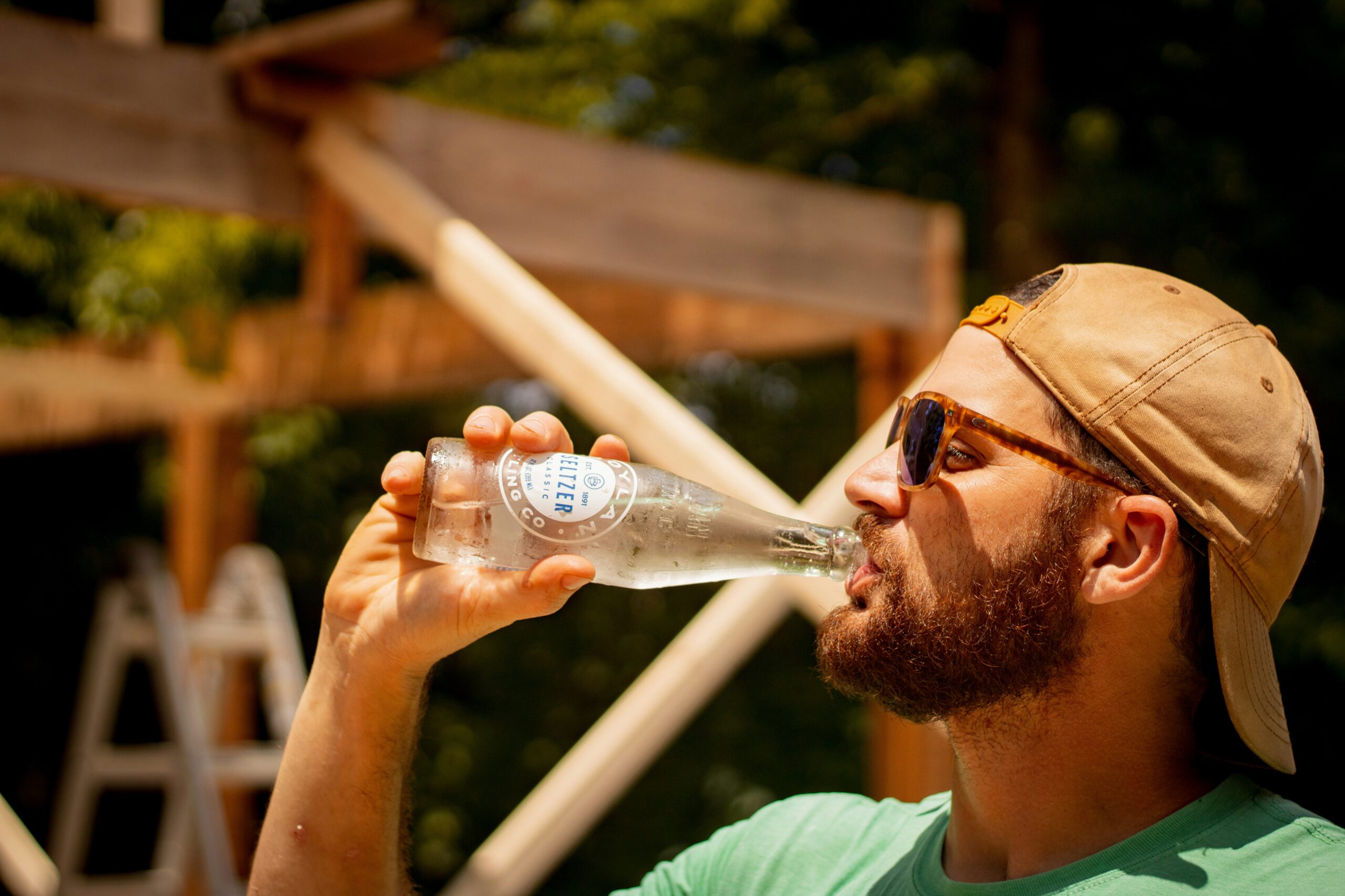
With temperatures climbing into the 90s in New York City (and feeling like 110 if you include the New York Knicks win last night), it’s easy to underestimate how much fluid the body loses throughout the day.
About 60% of the body is water, and this varies depending on body composition, with muscle tissue holding more than fat. The body is constantly losing and replacing water, so maintaining balance is essential.
Thirst is a delayed signal, not an early one, especially in heat, during exercise, or with age. Try to drink consistently throughout the day rather than waiting to feel thirsty. By the time you feel it, your body may already be behind. Even mild dehydration can show up as fatigue, headaches, brain fog, dizziness, dry mouth, and reduced performance. This becomes even more noticeable in hot weather, when fluid loss through sweat increases.
Decoding the Water Aisle
From bottled options like Evian to canned sparkling waters and everything in between, the choices can feel endless and sometimes surprisingly expensive. It makes you wonder: are we really paying for better water, or just better packaging and branding? In reality, it is a mix of source, treatment, and marketing.
Outside of source and mineral composition, most differences people notice come down to branding, packaging, and positioning. Canned waters like Liquid Death are simply purified water with a high price tag.
Types of Water
Artesian water
Water drawn from a well that taps a confined aquifer where the water is under natural pressure.
Carbonated water
Water that contains carbon dioxide gas, either naturally occurring or added, which creates bubbles. Also called sparkling or bubbly water. Seltzer, soda water, and tonic water are technically soft drinks and not classified as plain water.
Distilled water
Water that has been boiled into vapor and then condensed back into liquid, removing dissolved minerals and impurities.
Filtered water
Water that has been treated through filtration systems, such as activated carbon filters or reverse osmosis, to reduce substances like lead, arsenic, and certain microorganisms.
Hard water
Water with high levels of calcium and magnesium.
Mineral water
Water from a natural source that contains dissolved minerals, typically 250–500 parts per million (ppm). These minerals affect taste, and some mineral waters are naturally higher in sodium.
Natural water
Water sourced from a spring or well that is certified safe and sanitary. The mineral content is not altered, although it may be treated with processes such as filtration or ozone.
Public water
Water supplied by municipal or county systems that is treated and disinfected before reaching homes and businesses.
Purified water
Water that has been processed to remove dissolved solids and contaminants through methods such as distillation, reverse osmosis, or other purification techniques.
Soft water
Water that contains higher levels of sodium or potassium and lower levels of calcium and magnesium.
Spring water
Water that comes from an underground spring or well. It may be still or naturally carbonated. Brand names can be misleading and do not always guarantee true spring sources.
Water Tip: A tiny pinch of salt
Evian is one of my favorite waters. To me, it has a soft, almost silky texture that makes it easier to drink. This is largely due to its naturally high mineral content.
One way to mimic the smoother taste of mineral-rich water is to add a very small pinch of good-quality salt to water, think a few grains only. This can help soften the taste of harder water and support hydration by providing a small amount of sodium, an electrolyte that helps regulate fluid balance, particularly in hot weather or when sweating heavily.
Approximate Sodium Content of Salt
When it comes to adding salt to water, I have seen recommendations on social media suggesting as much as 1/4 teaspoon per liter. This is far too much. A tiny pinch is all that’s needed. The list below shows how quickly sodium can add up.
1 teaspoon = 2,300 mg sodium
1/2 teaspoon = 1,150 mg sodium
1/4 teaspoon = 575 mg sodium
1/8 teaspoon = 288 mg sodium
1/12 teaspoon = 192 mg sodium
1/16 teaspoon = 144 mg sodium
1/20 teaspoon = 115 mg sodium
1/24 teaspoon = 96 mg sodium
1/32 teaspoon = 72 mg sodium
A few grains or a small pinch provides only a modest amount of sodium while gently softening the taste of water. Caution is advised for anyone with high blood pressure, kidney disease, or a prescribed low-sodium diet.
Read: 28 Popular Bottled Water Brands, Ranked Worst to Best by Emily Hunt
Watch: Best Water To Buy At The Grocery Store Alkaline, Flavored, Electrolyte, & More by Bobby Parrish
Related Reading: Why Am I Always so Tired Dehydration Might Be To Blame.
Bottom Line
The simplest takeaway is still the most important: drink water regularly, especially in heat, choose the option that makes it easiest for you to stay consistent, and don’t overlook good old tap water, which may be better than you think. This is especially important for older family members, who may be more vulnerable to dehydration, so it’s worth doing a little research and choosing the water that makes sense for you rather than defaulting to expensive brands.